
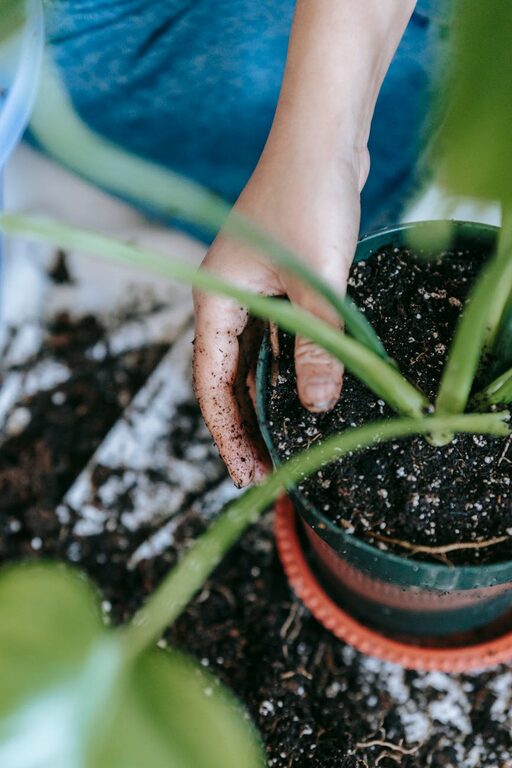
Bringing houseplants into your home can brighten your space, improve air quality, and boost your mood. However, keeping these green friends healthy requires some attention and care. Whether you’re a seasoned plant parent or just starting, understanding the basics will help your houseplants thrive.
In this post, we’ll cover essential tips on watering, lighting, soil choices, and more to help you create the perfect environment for your plants.
Understanding Your Plant’s Needs
Every plant species is unique, with specific care requirements. Before you bring a plant home, learn about its natural habitat. Is it a sun-loving succulent or a shade-tolerant fern? Knowing these details ensures you provide the right conditions.
Research Plant Types
– Check the plant’s origin (tropical, desert, etc.)
– Note its typical sunlight, water, and humidity needs
– Use plant labels or reputable online sources for guidance
Watering Wisely
One of the most common causes of houseplant problems is improper watering. Both overwatering and underwatering can be harmful.
How to Water Properly
– Check soil moisture: Use your finger to test 1-2 inches below the soil surface. Water only if it feels dry.
– Avoid standing water: Ensure pots have drainage holes so excess water can escape.
– Adjust frequency by season: Plants usually need less water in winter when growth slows.
– Use room temperature water: Cold water can shock roots.
Signs of Underwatering vs Overwatering
| Underwatering | Overwatering |
|——————————-|——————————–|
| Wilting leaves | Yellowing leaves |
| Dry, compacted soil | Moldy or soggy soil |
| Brown leaf edges | Roots may rot or smell bad |
Providing the Right Light
Light is essential for photosynthesis and overall plant health. Too little light slows growth, while too much can scorch leaves.
Types of Light for Plants
– Direct sunlight: Bright light that shines directly on the plant, great for succulents and cacti.
– Indirect sunlight: Filtered or diffused light for shade-loving species like ferns or peace lilies.
– Low light: Suitable for plants that thrive in dimmer rooms, like snake plants.
Tips to Optimize Lighting
– Rotate plants periodically to ensure all sides receive light.
– Use sheer curtains to diffuse intense sunlight.
– Consider supplemental grow lights for spaces with little natural light.
Choosing the Right Soil and Pot
Good soil and the right container are crucial for healthy roots.
Soil Selection
– Use well-draining soil to prevent waterlogging.
– Some plants prefer specific mixes: cacti need sandy soil, while orchids need chunky bark-based mixes.
– Repot plants every 1-2 years to refresh soil nutrients.
Pot Considerations
– Ensure pots have drainage holes.
– Choose a pot size slightly larger than the root ball to avoid excess soil that retains water.
– Materials like terracotta allow better airflow but dry out faster.
Managing Humidity and Temperature
Most houseplants thrive in moderate humidity and stable temperatures.
Humidity Tips
– Use a humidifier or place plants on a tray with water and pebbles to increase humidity.
– Group plants together to create a natural humid environment.
– Avoid placing plants near drafts, air conditioners, or heaters.
Temperature Range
– Maintain temperatures between 65-75°F (18-24°C) for most plants.
– Protect plants from sudden temperature changes.
– Avoid cold windowsills in winter.
Regular Maintenance
Routine care helps prevent problems and keeps plants thriving.
Pruning and Cleaning
– Remove dead or yellowing leaves to encourage new growth.
– Trim leggy stems to maintain shape.
– Wipe leaves gently with a damp cloth to remove dust.
Fertilizing
– Use a balanced, water-soluble fertilizer during the growing season (spring and summer).
– Follow package instructions and avoid over-fertilizing.
– Reduce or stop fertilizing in dormant months.
Watch for Pests and Diseases
Keeping an eye out for pests and diseases helps catch problems early.
Common Houseplant Pests
– Spider mites
– Aphids
– Mealybugs
– Scale insects
Prevention and Treatment
– Inspect plants regularly, especially under leaves.
– Isolate new plants for a few weeks before introducing to others.
– Use natural insecticidal soap or neem oil if needed.
Final Thoughts
Houseplants can be incredibly rewarding, offering beauty and health benefits indoors. With attention to their watering, lighting, and environmental needs, your plants can flourish regardless of your experience level.
Remember, patience and observation are key. Over time, you’ll learn to understand your plants’ signals and tailor care to meet their needs.
Happy gardening!
